


Sudoku Solving Strategies and Techniques
Sudoku puzzles can be solved using logical reasoning rather than guessing. Different Sudoku solving strategies help players identify patterns, eliminate impossible numbers, and gradually complete the puzzle grid.
This page introduces the most common Sudoku solving techniques, from beginner methods to advanced strategies used by experienced players. Each strategy links to a detailed explanation page with examples and step-by-step instructions.
Whether you are learning Sudoku for the first time or trying to solve difficult puzzles, these strategies will help you improve your logical thinking and puzzle-solving skills.
What Are Sudoku Solving Strategies?
Sudoku solving strategies are logical techniques used to determine where numbers must be placed in a Sudoku grid. Instead of guessing, players analyze rows, columns, and 3×3 boxes to eliminate impossible candidates.
Most Sudoku puzzles can be solved using a combination of techniques such as Hidden Singles, Pairs, or advanced pattern strategies like X-Wing and Swordfish.
The strategy library below organizes these techniques by difficulty so players can learn them progressively.
Beginner Sudoku Techniques
Beginner strategies are usually enough to solve easy Sudoku puzzles. These methods focus on simple logical elimination and identifying cells where only one number can fit.
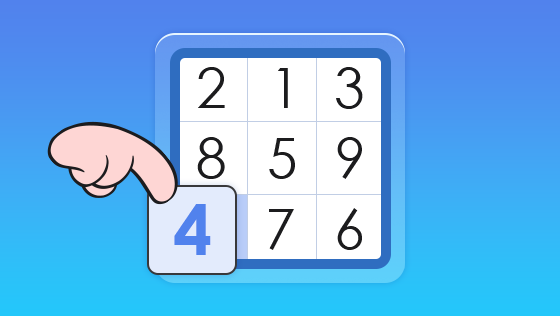
Last Free Cell
A basic Sudoku technique where a row, column, or 3×3 box has only one empty cell remaining, so the missing number can be placed immediately.
Continue Reading →
Last Remaining Cell
A strategy where a specific number can appear in only one position within a row, column, or box after eliminating other possibilities.
Continue Reading →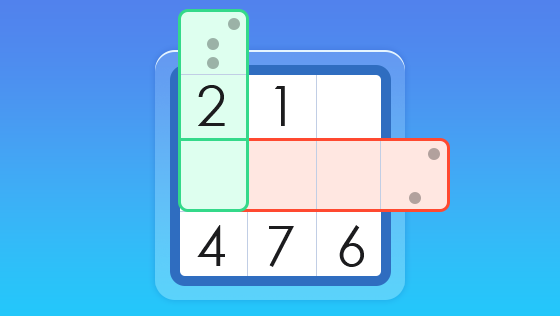
Last Possible Number
A technique where a cell has only one valid candidate number left after checking all row, column, and box restrictions.
Continue Reading →
Sudoku Notes
A method of writing small candidate numbers in empty cells to track possible values and assist with logical elimination.
Continue Reading →These techniques are commonly introduced in beginner tutorials such as how to play Sudoku.
Intermediate Sudoku Strategies
Intermediate techniques introduce candidate tracking and logical elimination patterns.
These strategies are typically needed for medium difficulty Sudoku puzzles.
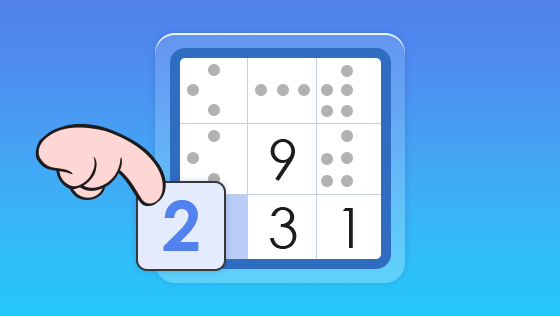
Obvious Singles
A technique where a cell contains only one possible candidate number, making it the obvious solution for that position.
Continue Reading →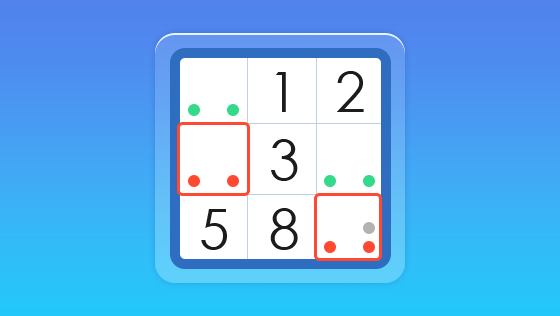
Obvious Pairs
A pattern where two cells in a unit share the same pair of candidate numbers, allowing those numbers to be eliminated from other cells in that unit.
Continue Reading →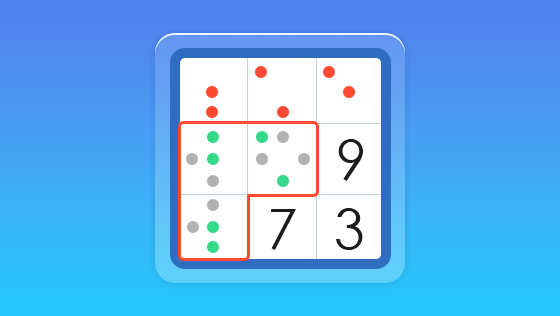
Obvious Triples
A strategy where three cells contain only three possible numbers between them, restricting those numbers to those cells.
Continue Reading →
Hidden Singles
A technique where a number appears only once as a candidate within a row, column, or 3×3 box.
Continue Reading →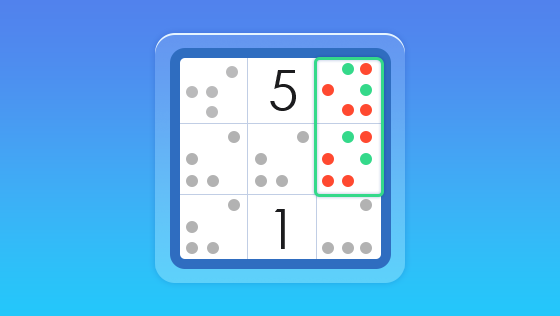
Hidden Pairs
A pattern where two numbers appear only in the same two cells within a unit, allowing other candidates in those cells to be removed.
Continue Reading →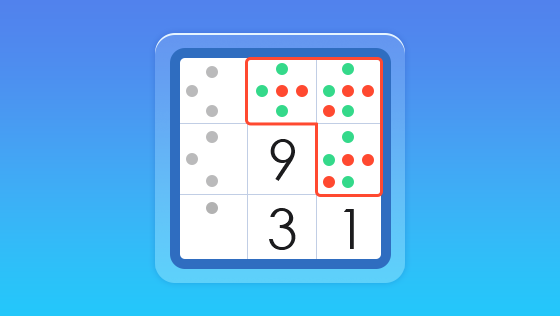
Hidden Triples
A technique where three numbers appear only within three specific cells in a unit, enabling elimination of other candidates.
Continue Reading →These strategies help players eliminate candidates and simplify more complex Sudoku grids.
Advanced Sudoku Techniques
Advanced strategies rely on pattern recognition and are often required to solve hard or expert Sudoku puzzles.
These techniques analyze candidate patterns across rows and columns.
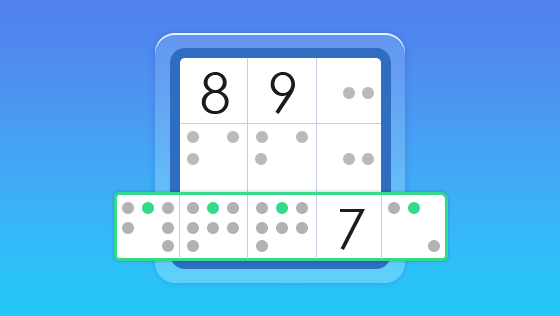
Pointing Pairs
A strategy where a candidate number appears only in one row or column within a 3×3 box, allowing that number to be removed from the same row or column outside the box.
Continue Reading →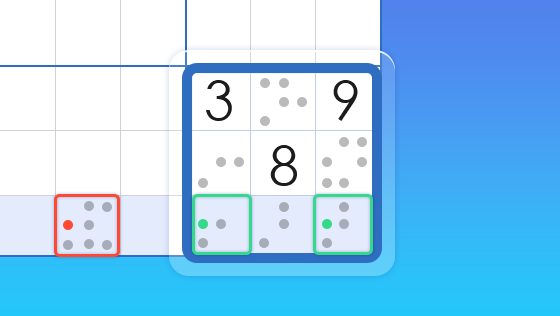
Pointing Triples
Similar to pointing pairs, this technique occurs when three candidate positions in a box align in the same row or column, enabling elimination elsewhere in that line.
Continue Reading →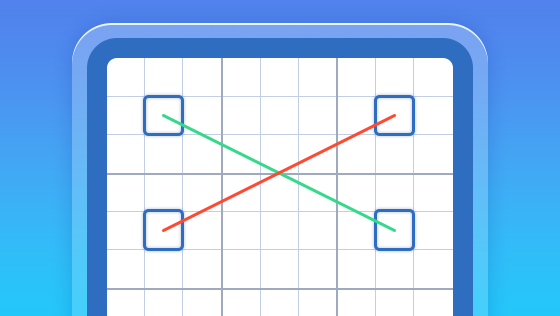
X-Wing
An advanced Sudoku pattern where a candidate appears in exactly two positions in two different rows or columns, forming a rectangle that allows eliminations.
Continue Reading →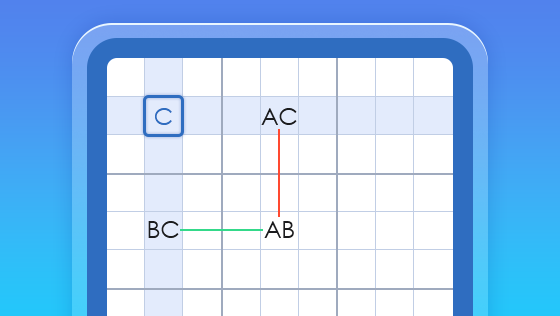
Y-Wing
A three-cell pattern involving a pivot cell and two wing cells that share candidates, enabling elimination of a specific candidate elsewhere in the grid.
Continue Reading →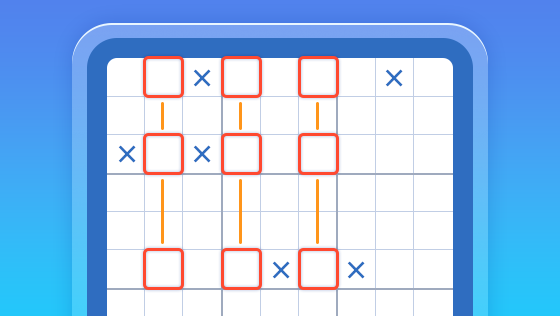
Swordfish
An advanced pattern similar to X-Wing but involving three rows and three columns, allowing elimination of candidates across the grid.
Continue Reading →Advanced strategies are frequently used in guides like how to solve difficult Sudoku puzzles.
Practice These Sudoku Strategies
The best way to understand Sudoku solving strategies is by applying them in real puzzles.
You can practice these techniques directly on the LoveSudoku online Sudoku board and experiment with different strategies as you solve puzzles.
Regular practice helps players recognize patterns faster and develop stronger logical reasoning.
Learn More About Sudoku Solving
If you want to improve your Sudoku skills further, explore these detailed guides:
- Sudoku Packing Method – A modern logical solving approach.
- Common Sudoku Mistakes – Mistakes many players make when solving puzzles.
- How to Get Better at Sudoku – Tips for improving solving speed and accuracy.
- Scientific Benefits of Sudoku – How Sudoku helps train the brain.
Frequently Asked Questions About Sudoku Strategies
What is the easiest Sudoku solving technique?
The easiest techniques include Last Free Cell and Obvious Singles, which rely on simple elimination logic.
What strategies are used to solve difficult Sudoku puzzles?
Advanced Sudoku puzzles often require techniques such as X-Wing, Y-Wing, or Swordfish.
Do expert Sudoku players guess?
No. Experienced Sudoku players rely on logical strategies rather than guessing.
How can beginners learn Sudoku strategies?
Beginners should start with the basic rules and techniques explained in this beginner Sudoku guide.
Practice these Sudoku techniques on LoveSudoku's online Sudoku board.